Treatment & Care Options
Biologic Therapies for Chronic Skin Conditions
Felix Petrova
Staff Writer · · 12 min read
Most persistent rashes need specialist diagnosis, not more over-the-counter treatments.
Humectants draw water in, occlusives seal it in, and ceramides rebuild the barrier itself.
The lipid ratio in your skin barrier matters more than the individual ingredients.
Stress triggers three simultaneous pathways that degrade skin barrier function and accelerate aging.
Eumelanin provides only SPF 13.4 at best, leaving all skin tones vulnerable to UV damage.
AI outperforms dermatologists in labs but struggles with real patients and darker skin tones.
Trillions of skin bacteria actively maintain your barrier, fight pathogens, and prevent disease.
UV radiation and pollution damage skin through distinct pathways that accumulate over time.
Watch for rapid changes in moles, especially asymmetry and color shifts, as evolution matters most.
A pediatrician can spot serious skin disease where parents see minor rashes.
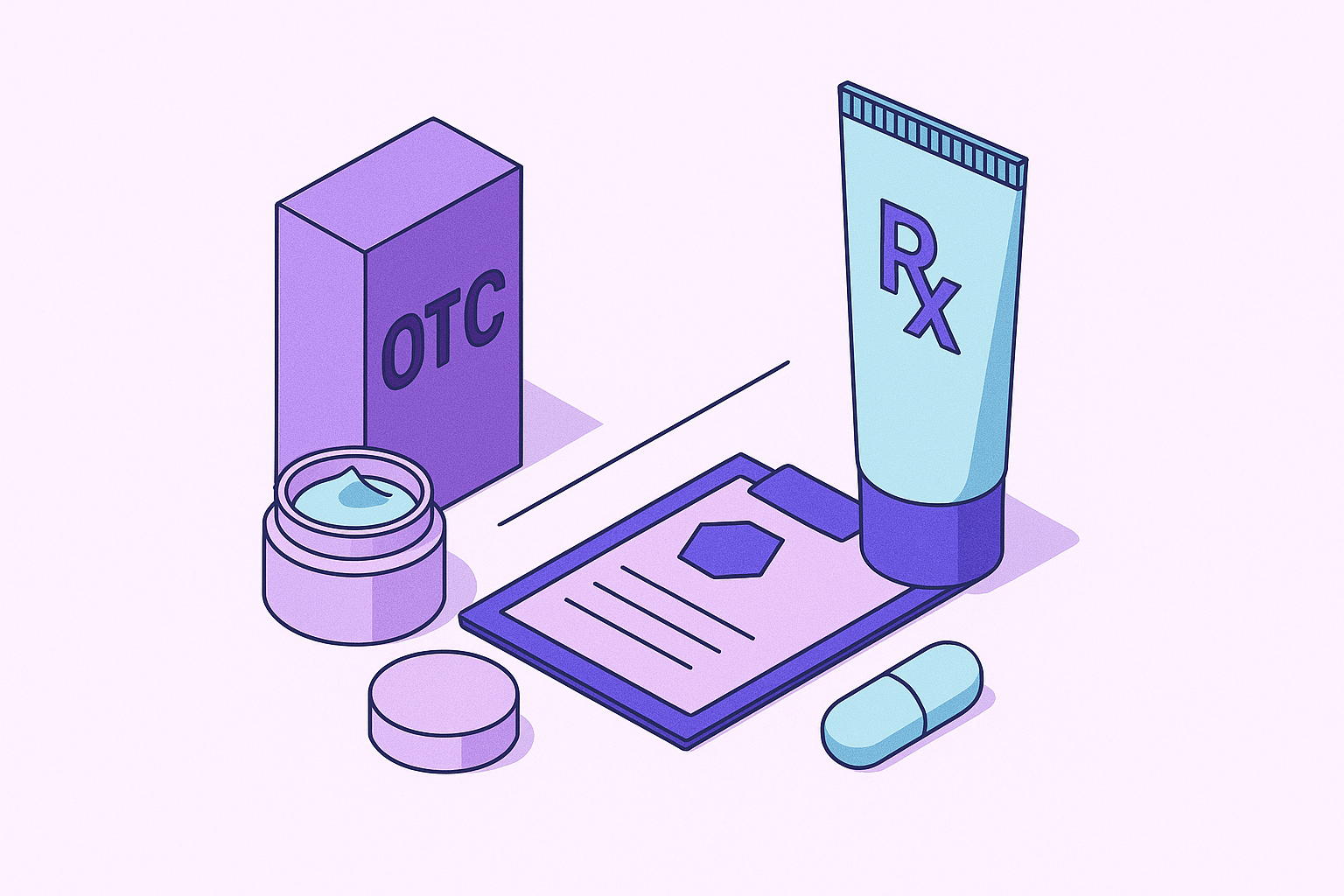
Some over-the-counter actives have real clinical proof, while trendy ones don't.
Each epidermal layer's structure precisely matches its mechanical and biological demands.
Specific nutrients directly regulate collagen, inflammation, and barrier function in skin.
Telehealth dermatology has three distinct models, each suited to different conditions and outcomes.
UV light treats these diseases through three distinct mechanisms, not one.